.png?width=1404&height=915&name=TrailIntel-stackedLogos-01%20(5).png)


Hidden Falls Adventure Park sits about an hour from Austin and roughly seven miles from Marble Falls, spread across more than 2,000 acres of Hill Country terrain. With nearly 240 miles of trails cut through trees, creek beds, and rocky climbs, it is one of the largest off-road parks in the state and a regular stop for ATV and UTV riders chasing everything from easy scenic loops to genuine rock-crawling challenges. Here is what to know before you load up the trailer, including when to go, which trails fit your skill level, and where to find the best views in the park.
What Is the Best Time to Ride at Hidden Falls Adventure Park?
The best time to ride at Hidden Falls Adventure Park is generally October through May, when cooler temperatures make full days on the trails more comfortable. Fall and spring tend to be busier, while winter can be a better choice for riders looking for fewer crowds.
Hidden Falls rides well year-round, but Texas summer heat can make long trail days more demanding. During the cooler months, conditions are typically more comfortable for extended rides, technical sections, and stops along the trail.
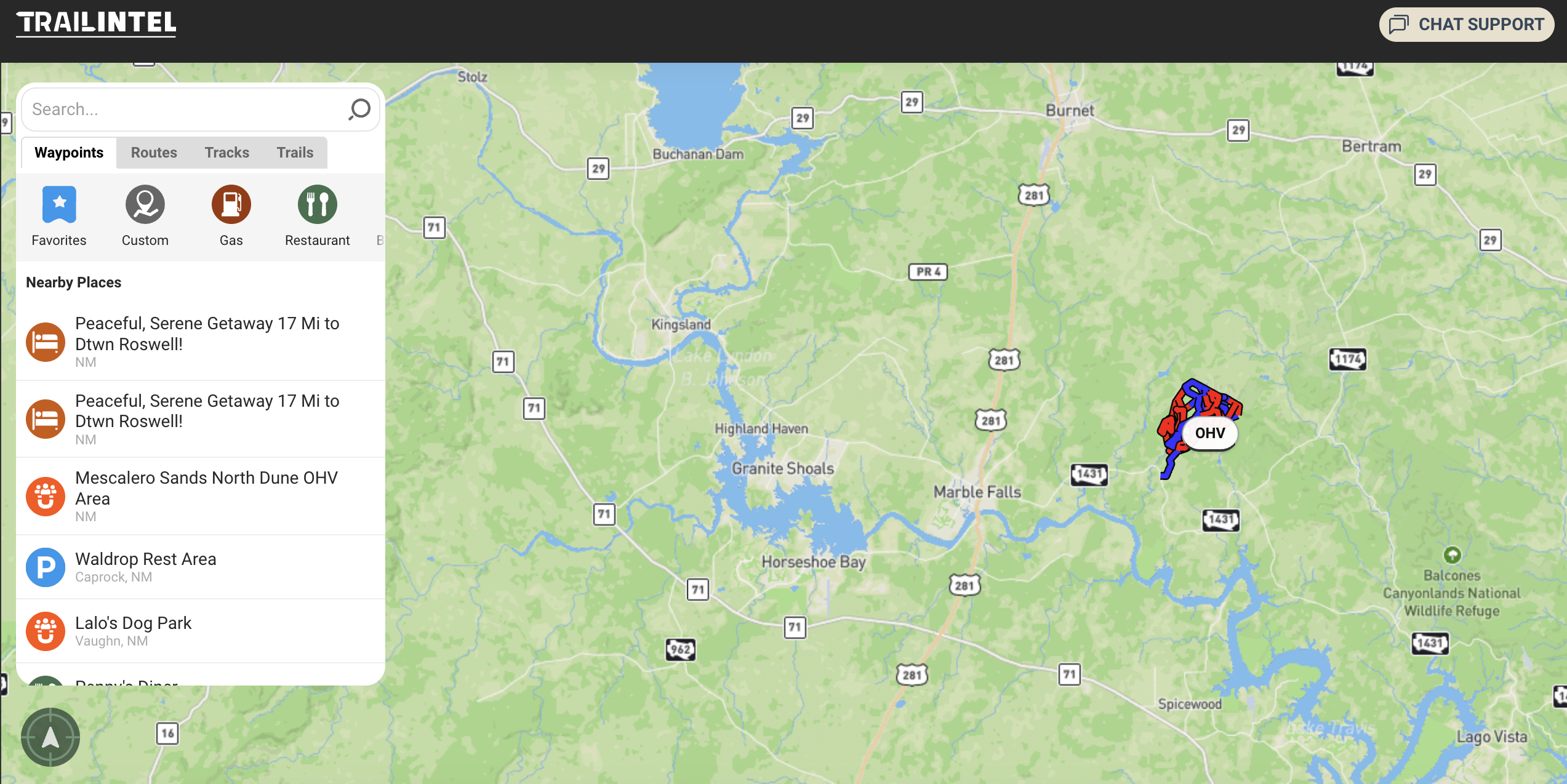
Before heading out, check current trail and road conditions in the TrailIntel app. Recent rider reports can help you identify closures, hazards, muddy sections, and other conditions that may affect your route.
Best ATV Trails at Hidden Falls by Skill Level
Hidden Falls rates its trails from one star for the easiest terrain to five stars for the most technical, and the park layout makes it easy to string together a route that matches your rig and comfort level.
Beginner: Feeder Creek and Ridgetrail
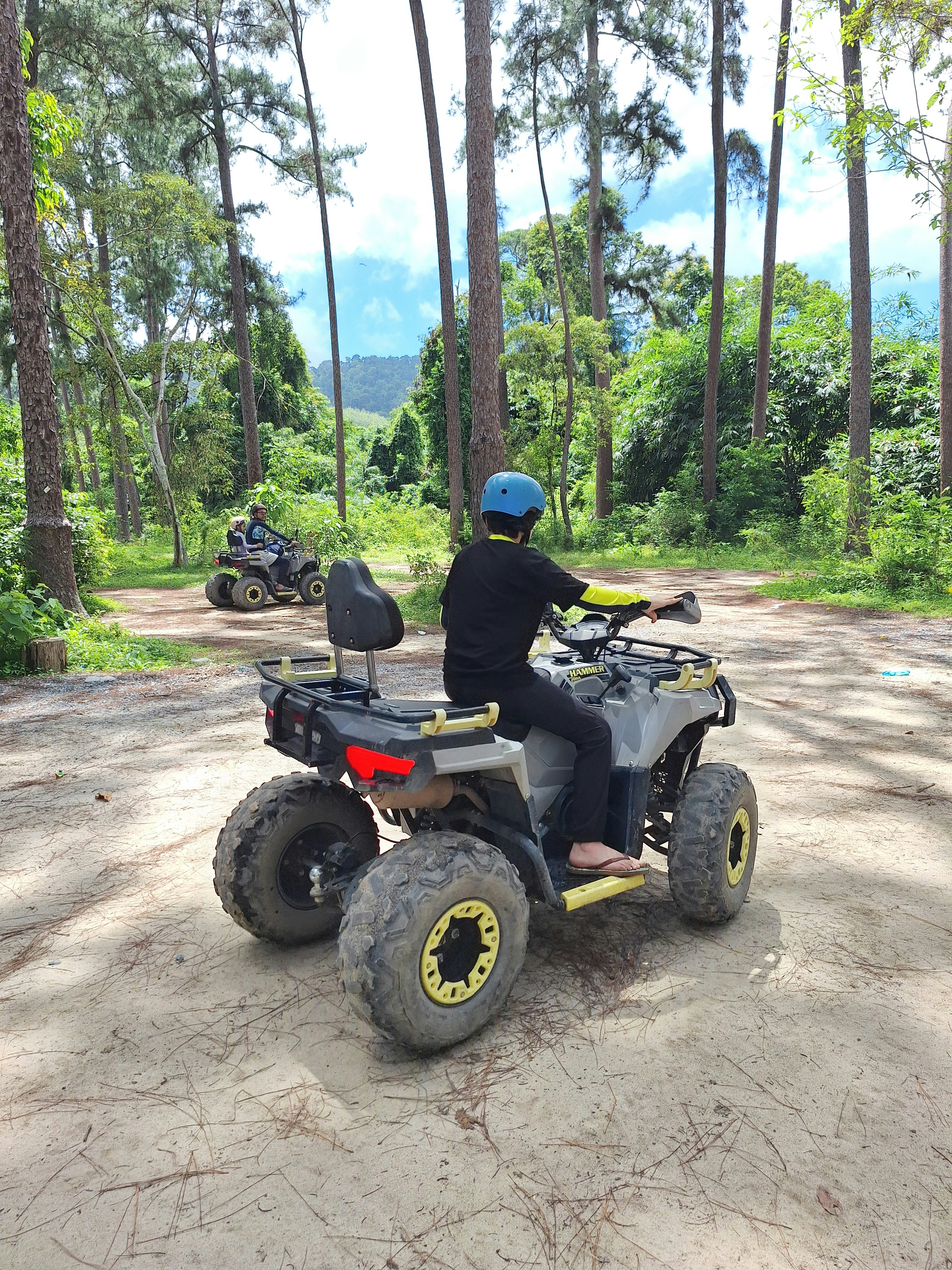
Feeder Creek is the trail most new riders start on, a wide, well-graded dirt road with gentle grades and none of the ledge climbs found deeper in the park. Ridgetrail is another solid first route, and both connect easily to the practice loops in Area A and Zips Corner, which are built with children and first-time riders in mind.
Intermediate: South Loop and the Western Loop ATV/UTV Trail
Once you are comfortable reading terrain, the South Loop offers the longest ride in the park along with a handful of harder obstacles to test yourself against without committing to full technical terrain. The Western Loop ATV/UTV trail runs a similar profile, mixing rock, sand, and washboard sections with a range of difficulty, so riders can choose easier bypasses when a section looks like more than they want that day.
Advanced: North Loop, Wet and Wild, Loose Rock, and Royal Gorge
Experienced riders with a properly built rig gravitate toward the North Loop, generally considered the hardest standard route in the park, along with Wet and Wild for its ledge climbs and Loose Rock for a genuine hill climb challenge. Royal Gorge, near the falls the park is named for, is posted as a level five trail, the most difficult rating Hidden Falls hands out, and it is built for full-size 4x4s and heavily modified rigs rather than stock machines.
Best Trails for Scenery
Hidden Falls sits in the rolling hills east of Marble Falls, and elevation is where the park earns its views. Wildcat Mountain is the highest point in the park, and in all of Burnet County, with a summit that opens up to miles of Hill Country in every direction. It is worth the detour even if you are not chasing a technical challenge that day.
For a longer scenic ride, the Perimeter Loop climbs through roughly 900 feet of elevation gain, more than any other route in the park, while the Western Loop ATV/UTV trail is close behind. Both routes weave in and out of tree cover with regular breaks in the canopy for wide valley views, and both work well as a slower-paced ride when you want to bring a camera along.

How to Plan a Day at Hidden Falls
With nearly 240 miles of trails, trying to cover Hidden Falls Adventure Park in a single visit is not realistic. First-time riders are better off choosing one section of the park and building a route around their skill level rather than trying to check off as many trails as possible.
Beginners can spend the morning around Area A, Zips Corner, Feeder Creek, and Ridgetrail before branching out once they are comfortable with the terrain. Intermediate riders can build a longer day around the South Loop or Western Loop, while experienced groups may want to leave extra time for the North Loop and individual technical obstacles.
Do not judge a trail only by mileage. Rocky climbs, ledges, creek crossings, recovery stops, and time spent spotting other riders can turn a relatively short stretch into a much longer ride. Give yourself enough daylight to get back to your vehicle without rushing through unfamiliar terrain.
What to Bring to Hidden Falls Adventure Park
Put a helmet at the top of your packing list, followed by plenty of drinking water and basic recovery gear. For longer rides, bring a tire repair kit, a portable air compressor, a tow strap, basic tools, a first-aid kit, sunscreen, gloves, eye protection, and snacks.
A downloaded trail map is also worth having even if you normally navigate from your phone. Cell coverage can be unreliable in sections of the park, and knowing where the easier bypasses and connecting trails are becomes especially important if weather or mechanical trouble forces you to change your route.
Because conditions can change after rain or heavy trail use, check TrailIntel shortly before arriving rather than relying solely on conditions reported several days earlier.
What Happens to the Trails After Rain?
Rain can change the character of Hidden Falls quickly. Dirt and rock that are manageable when dry can become slick, while low areas and creek crossings may become significantly more challenging. A trail you have ridden before may therefore feel completely different after a storm.
Check current conditions before entering more difficult sections of the park, and do not assume that your vehicle can handle a trail simply because you have completed it in dry weather. If conditions deteriorate, use easier bypasses and save technical climbs for another visit.
A Few Trail Day Basics
- Helmets are required for ATVs, UTVs, and dirt bikes throughout the park.
- Cell service drops out in parts of the property, so download a trail map before you lose signal.
- Ride with a group when tackling anything rated advanced, and keep a spotter on hand for ledges and steep climbs.
- Carry basic recovery gear. Even seasoned riders get stuck on wet clay after rain.
- Bring more water than you think you need, especially during the warmer edges of the October through May season.
 Frequently Asked Questions
How difficult are the trails at Hidden Falls Adventure Park?
Hidden Falls uses a one-to-five difficulty scale, with one-star trails representing the easiest terrain and five-star trails reserved for the park's most technical routes. Beginners should start on easy trails such as Feeder Creek and Ridgetrail before progressing to more difficult terrain.
How much time do you need at Hidden Falls?
Plan on at least a full day if it is your first visit to Hidden Falls Adventure Park. The property covers more than 2,000 acres and contains nearly 240 miles of trails, so even experienced riders can spend multiple visits exploring different sections of the park.
Can you camp at Hidden Falls Adventure Park?
Camping is available for riders who want to turn a day on the trails into a multi-day trip. Check the park's current camping options, rates, reservation requirements, and check-in rules before you arrive, especially during busy fall and spring weekends.
What should beginners ride at Hidden Falls?
First-time ATV riders should start around Area A or Zips Corner before moving onto easy trails such as Feeder Creek and Ridgetrail. These areas allow beginners to get comfortable with their machines before attempting rockier climbs and more technical terrain elsewhere in the park.
Can you ride Hidden Falls after it rains?
Yes, as long as the park and individual trails remain open, but rain can make rock, clay, creek crossings, and steep climbs much more difficult. Check current trail conditions and closures before riding and be prepared to choose an easier route if conditions have deteriorated.
Do you need an OHV sticker to ride at Hidden Falls?
No. Hidden Falls does not require an OHV sticker, but everyone entering the park pays an entrance fee for the length of their stay.
Is Hidden Falls good for kids and beginner riders?
Yes. The practice loops in Area A and at Zips Corner were built specifically for children and beginners, and Feeder Creek and Ridgetrail give new riders an easy, low-pressure introduction to the rest of the park.
How far is Hidden Falls from Austin?
Hidden Falls Adventure Park is about an hour from Austin and roughly seven miles from Marble Falls, Texas, making it an easy day trip or a short drive for a weekend of camping and riding.
Are dogs allowed in the park?
Yes. Dogs are welcome at Hidden Falls but must stay on a leash any time they are out of the vehicle, and owners are expected to clean up after their pets.
Ready to Ride
Hidden Falls has enough terrain to fill a full riding season, from beginner-friendly loops around Feeder Creek to the level five test of Royal Gorge. Whatever trail you pick, check the TrailIntel app before you leave home for the latest trail conditions, closures, and hazard reports around Marble Falls, so your ride matches the conditions on the ground that day rather than the forecast from last week.